
The chinook moved up the Columbia this month. For several weeks every river mouth was packed with boats from dawn to dusk. Launch ramps were crowded with trucks and trailers, and the filleted remains of salmon littered the shoreline. Now, the steelhead have started pushing up the tributaries and anglers are fishing shoulder to shoulder on the famed Deschutes. When people talk about fishing in the Columbia River basin, this is what they are talking about.
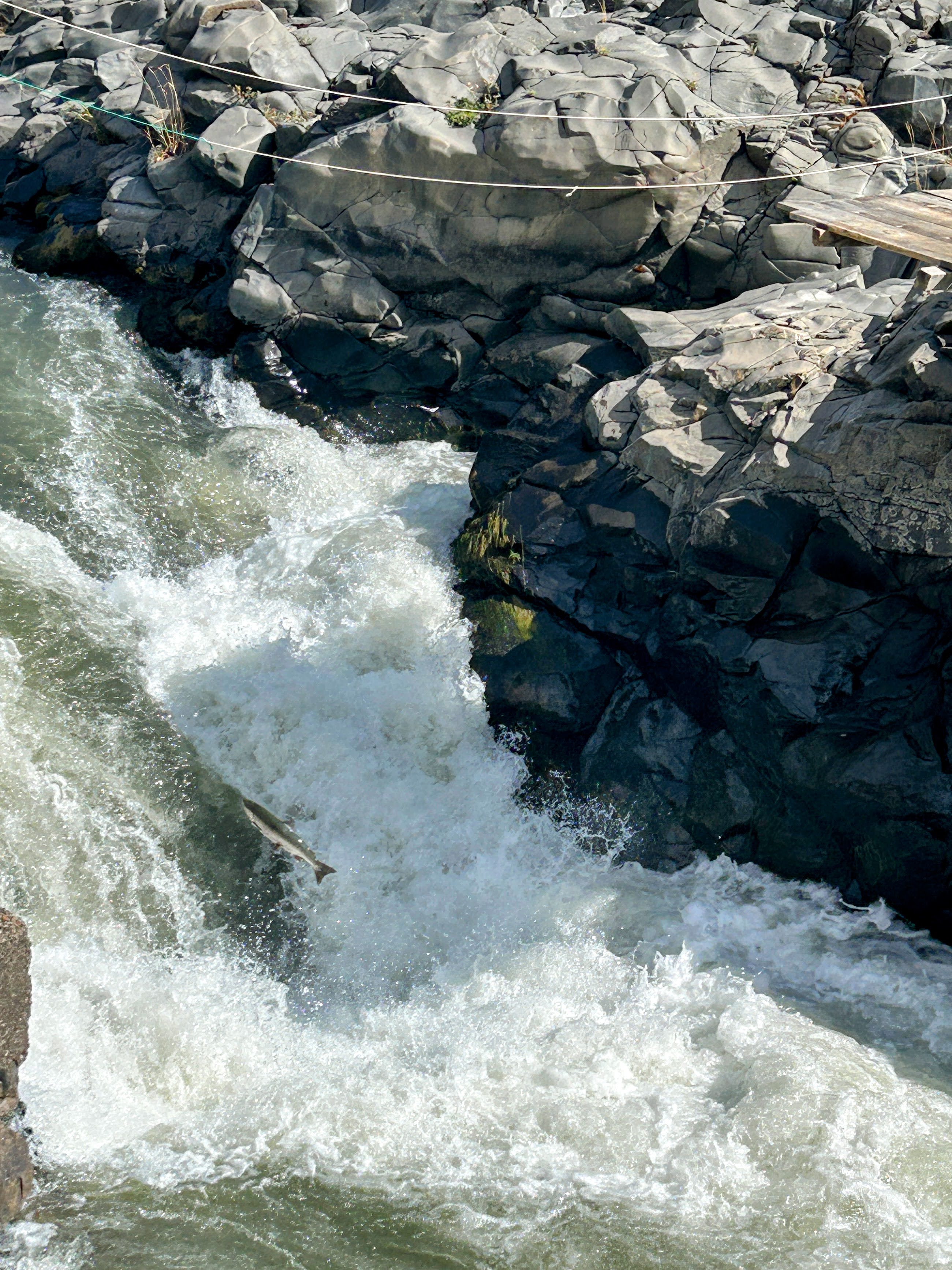
A couple of weekends back we took a walk up the Klickitat, one of the longest, free-flowing rivers in the region. As far back as humans can remember, and possibly farther than that, tribes like the the Yakama, Warm Springs, Umatilla and Nez Perce have been harvesting salmon and steelhead from the Columbia and it’s tributaries. Today, commercial fishing by the tribes is a modern affair, but on the Klickitat you can still see more traditional methods – precarious wooden platforms suspended over the rapids where fish are scooped up with long (and very heavy!) nets.

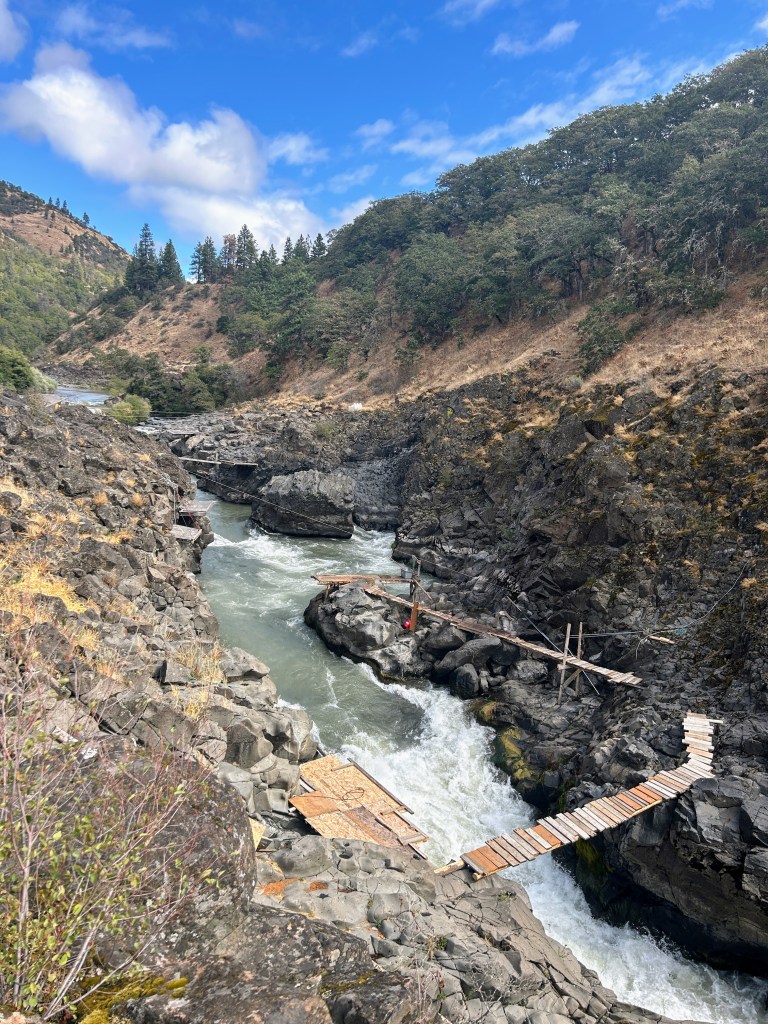
When I see things like this I can’t help but imagine what the fall run was like before hydroelectric dams, and water pollution, and large-scale commercial ocean fishing. It must have been a truly incredible thing to behold.
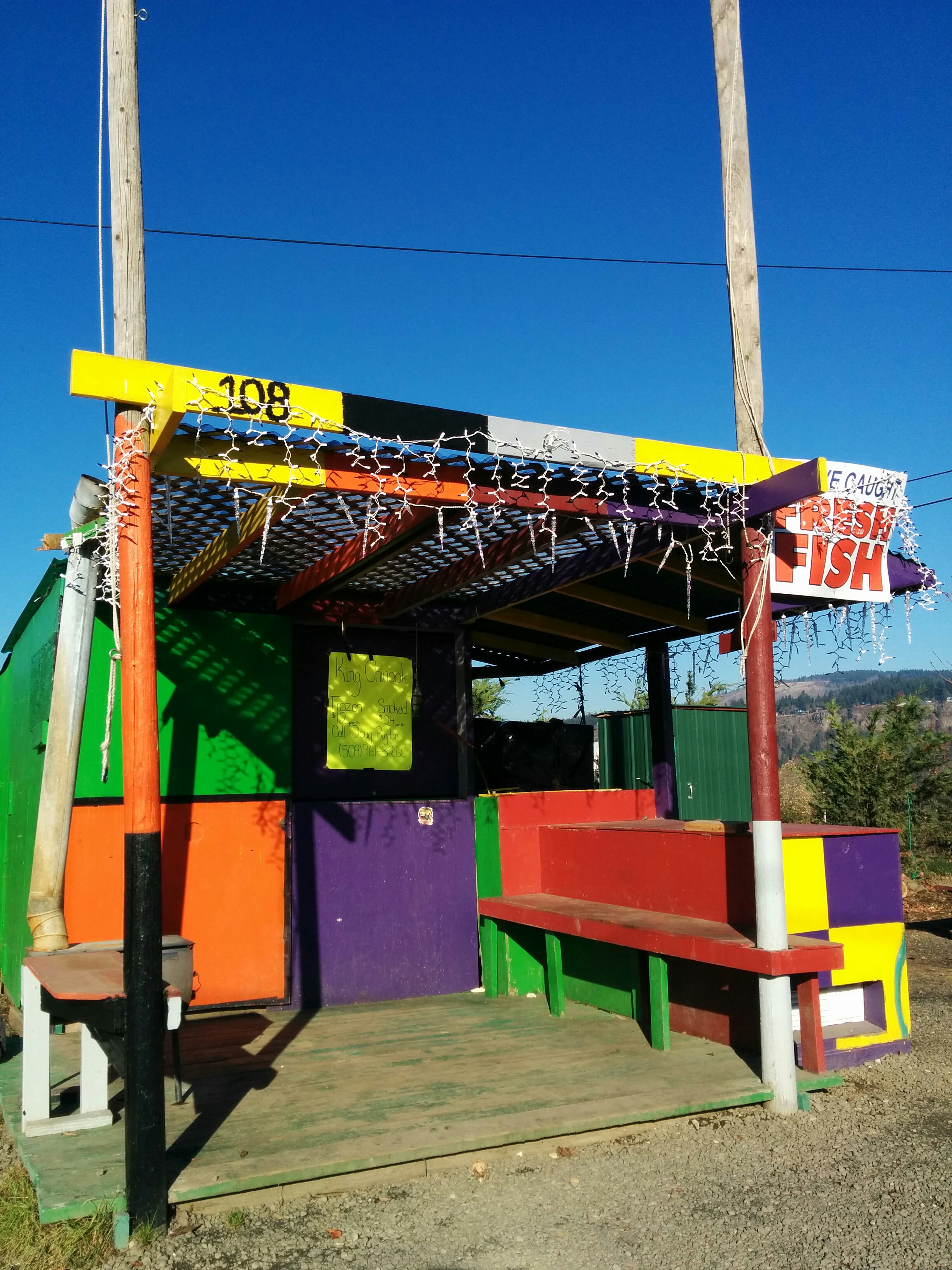
I don’t fish for salmon or steelhead myself. I am content to support the tribal fishers who continue to depend on these runs for their livelihoods.
 The Fishing Dojo